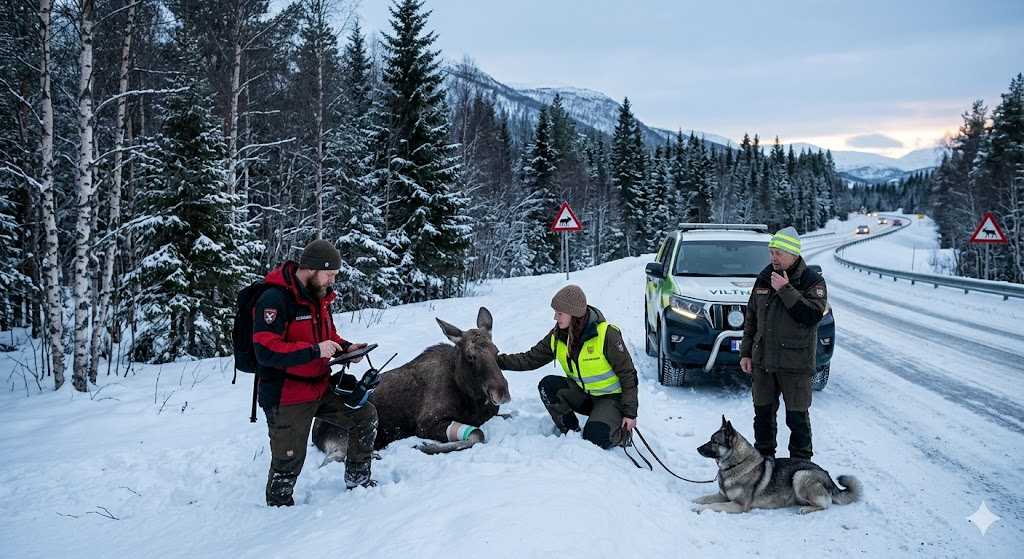
Viltnemnda is a special group of experts that looks after the moose, deer, and other wild animals across Norway. Have you ever wondered who steps in when animals wander into gardens or get hurt near busy roads? This local committee is a vital part of every community, ensuring that humans and wildlife can live together safely. In this guide, we will explore exactly what they do, why their work is so important, and how they protect the beautiful nature around us every single day.
What is the Viltnemnda Exactly?
The viltnemnda is a local committee or board that looks after wild animals. Think of them as the “wildlife police” or “nature helpers” for your specific town or area. The local government usually appoints them to make decisions about hunting and animal safety. Their main goal is to keep nature in balance. They don’t just sit in offices; they are often out in the fields and forests.
Most members are people who know a lot about nature, like experienced hunters or farmers. They understand how many animals live in the woods and if there are too many or too few. By having a local viltnemnda, the community ensures that experts who actually live in the area are making the big decisions. This makes the rules much fairer and better for the local ecosystem.
Why We Need a Local Wildlife Board
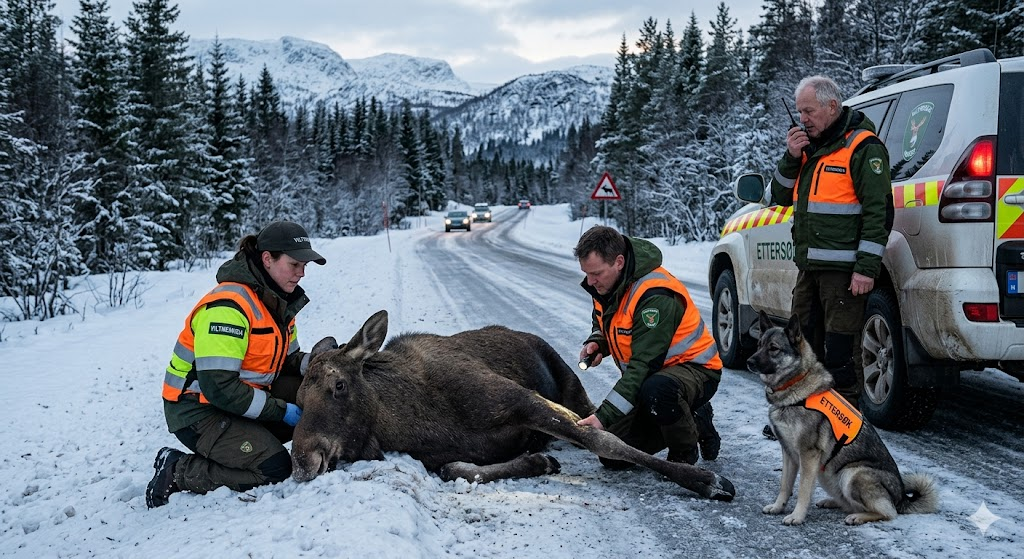
Without a viltnemnda, nature could get messy. For example, if there are too many moose in one forest, they might eat all the young trees. This could lead to those animals starving later in the winter. The board looks at the big picture to prevent this. They decide how many animals can be hunted each year to keep the population at a healthy level.
Additionally, they serve as a link between the people and the government. If a farmer is having trouble with wolves or bears, they call the viltnemnda for help. The board provides advice and takes action to protect both the farmer’s livelihood and the wild animals. It is all about finding a middle ground where everyone—and every animal—can thrive.
How the Viltnemnda Handles Traffic Accidents
One of the most important jobs of the viltnemnda happens on the road. Sadly, cars sometimes hit animals like deer or elk. When this happens, the police often call the board members right away. These people are trained to track down hurt animals to make sure they don’t suffer. This is a very brave and necessary job that keeps our roads cleaner and more humane.
If you ever hit an animal while driving, you should always report it. The viltnemnda will come out to help. They have special dogs that can find a wounded animal even in the dark. By doing this, they prevent the animal from being in pain for a long time. Their quick response shows how much they care about the welfare of every creature in their district.
Keeping the Animal Population Healthy
A big part of being in the viltnemnda is counting animals. They use different tools to see how many deer or moose are living in the area. If the numbers get too high, the animals might start wandering into gardens or causing more car crashes. The board sets “quotas,” which are limits on how many animals hunters can catch during the season.
This isn’t about being mean to animals; it is about keeping the whole forest healthy. When the population is just right, there is enough food for everyone. The viltnemnda works hard to ensure that future generations will still be able to see these beautiful creatures in the wild. Their planning helps maintain the natural beauty of the countryside for a long time.
Rules for Hunting and Safety
The viltnemnda also helps manage the rules for hunting. Hunting is a tradition in many places, but it must be done safely and legally. The board makes sure that hunters follow the laws and stay in the right areas. They also help decide when the hunting season starts and ends each year based on the health of the animals.
They provide information to hunters about which animals are off-limits. For instance, they might protect mother animals so they can raise their babies. By following the guidance of the viltnemnda, hunters contribute to a system that respects nature. This organization ensures that hunting is a helpful tool for nature management rather than a problem for the environment.
Dealing with “Problem” Animals in Town
Sometimes, wild animals get a little too comfortable near humans. You might find a fox living under your porch or a moose standing in a school playground. When an animal becomes a danger or a big nuisance, the viltnemnda steps in. They have the expertise to move the animal safely or decide the best way to handle the situation.
Their first choice is always to keep the animal and the people safe. They might use loud noises to scare the animal back into the woods. If that doesn’t work, they have other professional methods to solve the problem. Having a viltnemnda means that neighbors don’t have to handle dangerous wildlife situations on their own, which keeps everyone much safer.
Protecting Endangered Species
Not every animal is common like a deer. Some animals are very rare, and the viltnemnda plays a role in protecting them too. They keep an eye on endangered species to make sure their homes aren’t destroyed. If a rare bird is nesting in a certain tree, the board might tell builders to stay away from that spot for a while.
This work is very important for biodiversity. Biodiversity means having many different types of plants and animals living together. The viltnemnda understands that every small creature has a job in nature. By protecting the rare ones, they keep the whole environment strong and resilient against changes like bad weather or new diseases.
How to Join or Support Your Local Board
Are you interested in nature and want to help? Most viltnemnda members are chosen because they have a lot of experience. You can start by learning as much as you can about local wildlife. Joining a local hiking or hunting club is a great way to meet people who are already involved in nature management.
Even if you aren’t on the board, you can support them by being a responsible citizen. Drive carefully in areas with wildlife signs and always report any injured animals you see. By following the rules set by your local viltnemnda, you are doing your part to keep your community’s nature beautiful and safe for everyone to enjoy.
The Connection Between Farmers and Wildlife
Farmers and wild animals often share the same land. Sometimes, animals eat the crops that farmers are trying to grow. The viltnemnda acts as a helper in these cases. They look at the damage and help the farmer find ways to protect their fields without hurting the animals. This might include building special fences or using lights.
This partnership is key to a happy community. When farmers feel supported, they are more likely to welcome wildlife on their land. The viltnemnda ensures that the needs of the people who grow our food are balanced with the needs of the animals who live nearby. It is a delicate balance that requires a lot of talking and smart planning.
Education and Public Awareness
The viltnemnda also spends time teaching people about nature. They might talk at schools or hold community meetings. They want everyone to know how to behave around wild animals. For example, they teach kids not to feed wild animals because it can make them sick or lose their fear of humans.
Education is a powerful tool. When people understand why the viltnemnda makes certain rules, they are much more likely to follow them. Knowledge helps replace fear with respect. By sharing their expertise, the board members create a community that values its wildlife and works together to protect it.
Conclusion
the viltnemnda is a vital part of our society that often works behind the scenes. They are the guardians of the woods, the helpers on the roads, and the voices for the animals. By managing hunting, helping injured wildlife, and teaching the public, they ensure that our natural world stays healthy and vibrant.
We should all be grateful for the hard work these local boards do every day. The next time you see a beautiful deer in the forest, remember that the viltnemnda likely played a part in making sure that animal has a safe place to live. Let’s all do our part to respect nature and support the people who dedicate their time to protecting it.
FAQs
1. Who can I call if I find an injured wild animal?
You should usually call the local police at their non-emergency number. They will then contact the viltnemnda for you. The board members have the right tools and training to help the animal safely.
2. Does the viltnemnda work in every city?
Most rural and suburban areas have a viltnemnda or a similar wildlife board. In very big cities, these duties might be handled by a different government department, but the goal of animal safety is the same.
3. Are the board members paid for their work?
Often, these members are volunteers or receive a very small amount for their time. They do it because they love nature and want to help their community stay safe and balanced.
4. Can the viltnemnda help with a stray dog or cat?
Usually, no. The viltnemnda focuses on wild animals like deer, foxes, and moose. For pets like dogs and cats, you should call your local animal shelter or animal control officer.
5. Why are some animals hunted if the board protects them?
Hunting is used as a tool to prevent overpopulation. If there are too many animals, they might starve or cause accidents. The viltnemnda makes sure hunting is done in a way that keeps the whole group healthy.
6. How can I find out who is on my local viltnemnda?
You can find this information on your local municipality or town website. Look under sections for “Environment,” “Nature,” or “Local Boards.”
READ MORE: Highlights of Nummazaki: A Complete Guide to Nature, Culture, Food, and Quiet Beauty