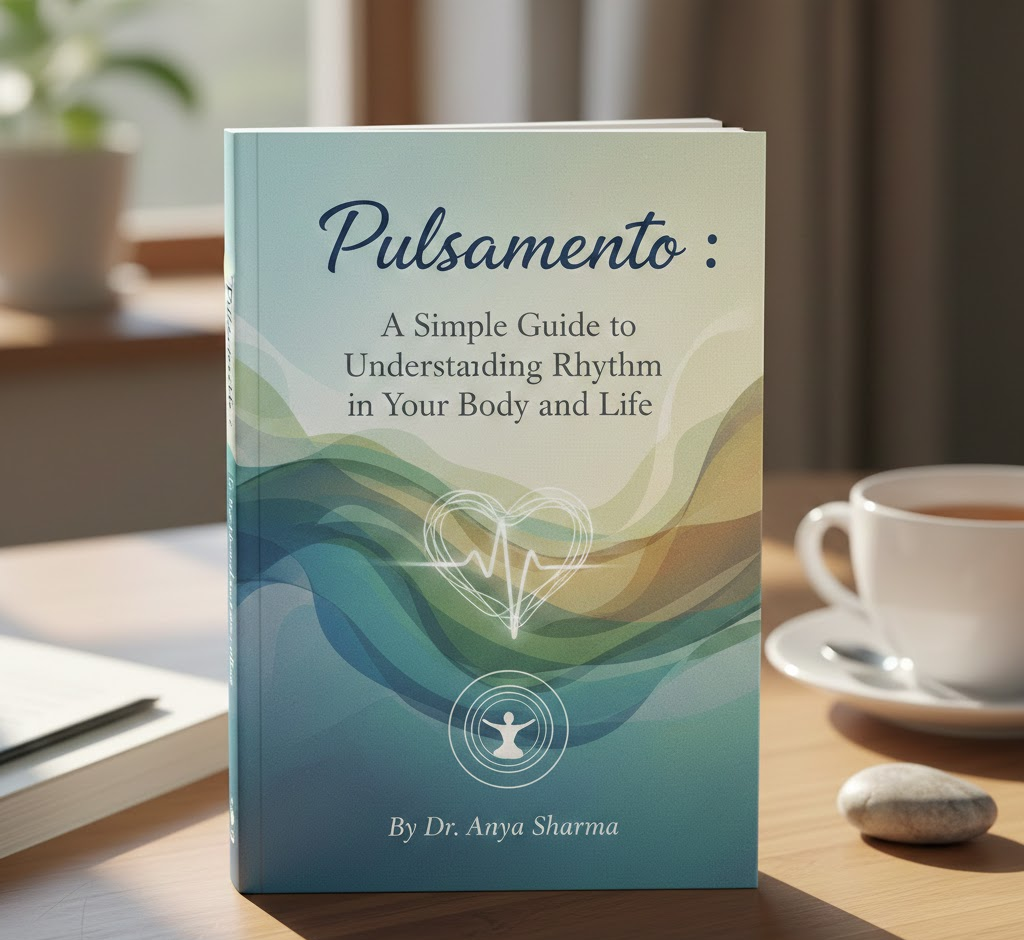
Have you ever felt like your body is moving fast, even when you are still? Your heart may feel heavy. Your breathing may feel short. Your mind may feel loud. This happens to many people. It often means your inner rhythm is not stable. Many people describe this inner rhythm with a simple word: pulsamento. It is the steady beat that lives inside you.
In this article, you will learn this concept in a very easy way. You will also learn how it connects to stress, sleep, focus, and daily habits. I will share real-life examples to make it feel practical, not technical. By the end, you will know how to build a smoother daily rhythm. You will also know what habits can help you feel calm and balanced.
What Does Pulsamento Mean in Simple Words?
Quick Bio
| Section | Quick Details |
|---|---|
| Article Topic | Pulsamento (body rhythm and inner balance) |
| Focus Keyword | pulsamento |
| Purpose | Explain rhythm in heartbeat, breathing, sleep, and daily habits in simple words |
| Best For | Stress control, better focus, calm mind, healthy routine building |
| Key Benefits | Better mood, stable energy, improved sleep, less anxiety, better productivity |
| What You’ll Learn | How to notice body rhythm, reset stress, build daily routine, improve lifestyle balance |
| Practical Tips Included | Breathing method (3–4), walking rhythm, sleep timing, focus blocks (20/5) |
The word pulsamento refers to your body’s natural rhythm. It includes your heartbeat, breathing pace, and even your daily energy. Think of it like the beat in a song. When the beat is stable, the music feels smooth. When the beat is messy, the music feels confusing. The same thing happens inside your body.
This rhythm also shows in your routine. For example, if you go to bed late every day, your rhythm becomes unstable. If you eat at random times, your energy goes up and down. Over time, your body feels tired because it cannot settle into a safe pattern. When you understand rhythm, you can fix small things early. That is how you protect your energy and mood.
Your Heartbeat: The Most Clear Example of Body Rhythm
Your heartbeat is the easiest rhythm to feel. Place two fingers on your wrist, and you will notice a steady beat. This beat changes during the day. When you run or climb stairs, it becomes faster. When you sit and relax, it becomes slower. That change is normal and healthy.
Your pulse can also rise when you are stressed. Even if you are sitting, fear or tension can make your heart beat harder. This is your body preparing for action. A simple trick is to check your heartbeat before and after a slow-breathing session. Many people notice that it calms after a few deep breaths. This is a clear sign that your body responds quickly to rhythm control.
Breathing Rhythm and Why It Controls Your Mood
Breathing is a powerful rhythm because you can control it at any time. When you are calm, your breathing is slow and steady. When you are stressed, it becomes fast and shallow. This changes how your brain feels. Fast breathing often makes your thoughts race more.
Try this simple method. Breathe in for 3 seconds. Breathe out for 4 seconds. Do this for one minute. Your body will start to relax. Your shoulders may drop. Your chest may feel lighter. This method works because the longer exhale sends a calm signal to your nervous system. This is one of the fastest ways to improve your mood without any medicine or tools.
Why Stress Makes Your Inner Rhythm Feel Too Fast
Stress is like an alarm inside the body. Your muscles tighten. Your mind becomes sharp and restless. Your body reacts as if danger is near. This is useful in real emergencies. But daily stress from work, money, or relationships can keep this alarm active for too long.
When this happens, your rhythm becomes unstable. You may feel tired but cannot rest. You may feel angry easily. You may also overthink small things. This is why learning pulsamento matters. It helps you notice stress early and return to a calm rhythm faster. Even small actions, like walking for 5 minutes or drinking water slowly, can help bring your body back into balance.
How to Notice Your Rhythm Without Any Tools
You can check your body rhythm in less than 30 seconds. Stop what you are doing. Notice your breathing. Is it fast or slow? Then notice your shoulders. Are they tight? Now observe your jaw. Is it clenched? These are simple signs of stress and speed.
Most people ignore these signals because they stay busy. But your body always speaks. It speaks through tension, breath, and heartbeat. When you listen early, you stop stress from growing bigger. For example, if your breathing is fast at work, take a one-minute breathing break. This can save your energy for the rest of the day. Small awareness brings big control.
A Daily Routine to Build a Steady Inner Beat
You do not need big routines. You need simple habits that repeat daily. Start your morning with two minutes of slow breathing. Then, after lunch, take a short walk. Even 5 minutes is enough. At night, stretch your neck and shoulders for one minute. This helps your body release the tension of the day.
These habits make your day smoother. They also protect your mental health. Many people try hard routines and quit fast. But small routines work because they are realistic. Your body loves patterns. When patterns are healthy, your mood improves, and your mind becomes clearer.
Pulsamento in Music and Why It Feels So Natural
Music shows us rhythm clearly. A song has a beat. That beat holds the song together. When the beat is steady, music feels easy to follow. When it is messy, the song feels uncomfortable. This is why rhythm feels so natural to humans.
You can use music as a tool. If you feel anxious, choose soft and slow music. If you feel tired, choose medium tempo music. Avoid loud, fast beats when you already feel stressed. Music can influence breathing and emotion. A calm rhythm can relax the body in minutes. That is why people feel better after listening to peaceful music.
Walking: A Natural Way to Reset Your Rhythm
Walking is one of the easiest ways to reset your body. It improves blood flow and reduces tension. It also helps your breathing become steady. Even 5 minutes of walking can improve your mood, as movement helps your body release stress.
To make walking even better, try counting steps. Count “1-2, 1-2” in your mind while walking. This creates a simple pattern that calms your mind. If you overthink a lot, walking helps you come out of your thoughts. It brings you into your body. That is why walking is often called a natural stress medicine.
Sleep and Why It Is the Biggest Rhythm Builder
Sleep is the repair time of the body. If your sleep is weak, your rhythm breaks. You feel tired, but you cannot focus. Your mood becomes unstable. Stress becomes stronger. Many people think they can “manage” without good sleep, but the body keeps a record.
Every day, try to go to bed and get up at the same time. Keep your room dark and quiet. Avoid phone screens before bed, as fast-paced videos keep the brain active. When sleep improves, your energy improves. Your mind becomes clearer. Your emotions become easier to handle. Sleep is the basis of daily balance.
Eating Habits and Energy Balance
Food affects the rhythm because it controls energy levels. If you eat junk, your energy may rise quickly, then crash. If you skip meals, you may feel weak and angry. Stable eating helps the body stay calm and steady.
Start with simple improvements. Drink water regularly. Add protein in meals like eggs, yoghurt, or beans. Take your time eating and stop when you’re full. Avoid drinking too much caffeine at night. These small habits keep your energy stable. When energy stays stable, you become more focused and less stressed.
Pulsamento for Work and Study: Focus Without Burnout
Many people study in panic. They work long hours and burn out. This creates a cycle of stress. A better way is to use focus blocks. Work for 20 minutes. Then rest for 5 minutes. Repeat this a few times.
In your break, stretch or walk a little. Do not use social media because it overloads the brain. A steady rhythm makes work easier. You stop feeling trapped. You also finish tasks faster. When your body is stable, your brain performs better automatically.
Emotional Rhythm: Why Feelings Change
Emotions come in waves. Some days feel great. Some days feel heavy. This is normal. But emotions become worse when your sleep, food, and movement are poor. That is why body care improves emotional health.
A helpful habit is journaling. Write one line about how you feel each day. Write one line about what happened. This helps you find patterns. You may notice your mood drops when you go to bed late. Or your mood improves after walking. Pattern awareness gives you control without stress.
Technology: Helpful but Don’t Overuse It
Technology can help track heart rate and sleep. But it can also create anxiety. Some people check numbers too much and panic over small changes. The best way is to check weekly trends, not hourly data.
Use tech as a guide, not a judge. If sleep is low, fix bedtime habits. If steps are low, add a short walk. Do not chase perfect scores. Your body is not a machine. It changes naturally daily. Real improvement comes from habits, not graphs.
Safety Notes: When You Should Seek Help
Most rhythm changes are normal. Heart rate rises with exercise. Breathing changes with stress. But some signs need attention. If you feel chest pain, fainting, serious dizziness, or breathing trouble, seek medical help.
This article is for learning and lifestyle support. It is not medical advice. The best way is to learn your normal baseline and notice big changes. Awareness is smart, not fear. Your health should always come first.
How to Build Your Own Pulsamento Routine
A routine should match your real life. Start with one goal, like stress control or better sleep. Then choose one habit. Keep it easy. For example, breathe slowly for two minutes daily. Or walk for five minutes after lunch.
Track it for 7 days with a simple yes/no. After one week, add another habit. If you miss a day, do not quit. Just return the next day. Stability grows through repetition. Over time, your rhythm becomes healthier. Your mood improves. Your energy becomes stronger. That is the power of pulsamento in daily life.
FAQs
1) What is pulsamento in simple terms?
Pulsamento means your natural body rhythm, like heartbeat, breathing, and daily energy flow.
2) Can pulsamento reduce stress?
Yes. Slow breathing, walking, and stable routines can help reset the body from stress mode.
3) Do I need tools to understand it?
No. You can notice breath, body tension, and heartbeat without any device.
4) How fast can I see results?
Some calm comes in minutes, but real improvement comes in 1–2 weeks of steady habits.
5) Is it only about heart health?
No. It also includes sleep rhythm, emotional balance, and daily lifestyle patterns.
6) What is the easiest habit to start?
Two minutes of slow breathing in the morning is the easiest and most effective.
Conclusion
Life will always bring pressure. But your daily rhythm decides how you handle it. When you learn pulsamento, you stop forcing yourself and start guiding yourself. Rhythm is not only for songs. It is also for your heart, breath, sleep, and emotions. Start small today. Choose one habit and repeat it daily. Small, steady steps build great long-term change. With time, your body feels calmer, your mind feels clearer, and your life becomes easier to manage.
READ MORE: Cellulogia Explained
About the Author