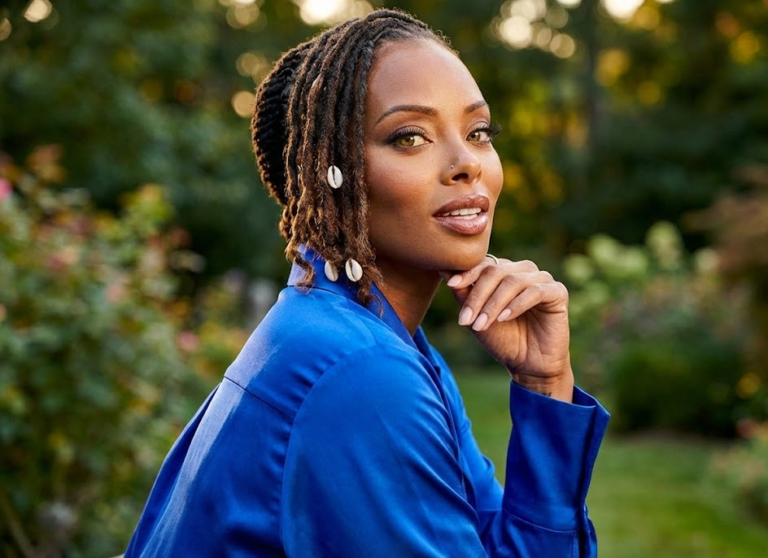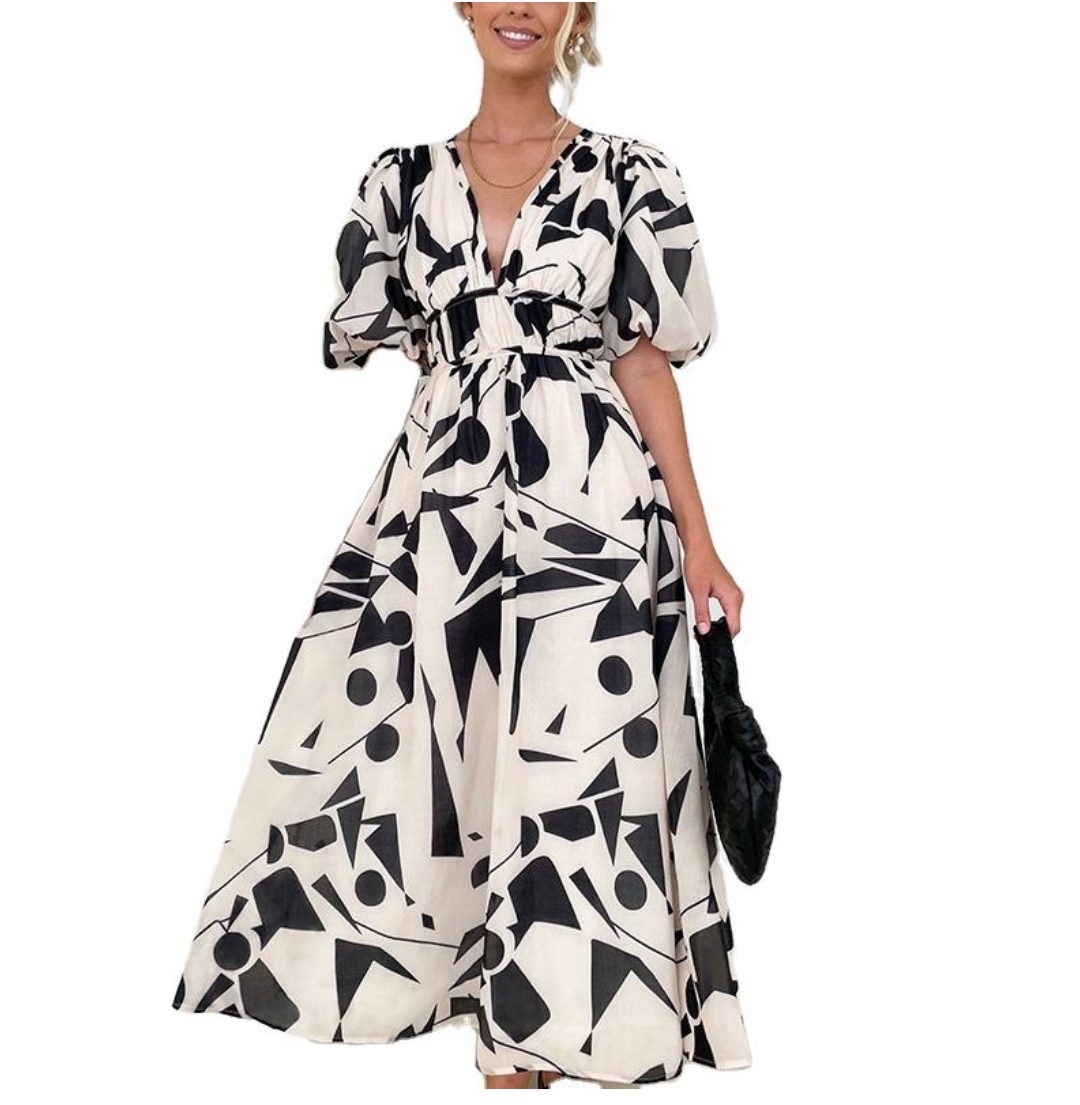
African fashion is increasingly becoming popular in the fashion world as well due to its colorful pattern, cultural background and the cohesion of tradition and modernity. To retailers and entrepreneurs, wholesale African clothes would provide a profitable business to exploit this rising market. This article analyzes the most important elements of sourcing and selling wholesale African clothing, including up-to-date trends and sourcing policies, market potential and useful hints.
The Growing Market for African Fashion
The African apparel market is big and growing. The apparel market in Africa is expected to grow to a revenue of 73.59 billion in 2025 at an annual growth rate of 4.77%/year. Outside the continent, African style is becoming worldly known, with the designers who mix the ancestral codes with the visionary avant-garde. This popularity is due to fads like Afro-futurism, a reinterpretation of historic symbols in a sci-fi style, and maximalist styles, which boast of the opulence of their ancestors.
Sourcing Wholesale African Clothing: Key Options
1. Manufacturers and Direct Suppliers
Direct sourcing to manufacturers that are located in Africa will bring authenticity and sustain local economies. Firms such as La Mode Afrique in Ghana provide low minimum quantities (as low as five pieces per design) on wholesale programs and the customisation of designs and fabrics. Likewise, Pihoo Textiles (but from India) deals in African print textiles such as Ankara, Kente and Dashiki in bulk discounts and custom orders.
2. Online Wholesale Platforms
B2B e-commerce sites like Alibaba, Faire, and TradeWheel link retailers with suppliers of African garment worldwide. User-friendly sites will offer an extensive selection of items, including Dashiki shirts and new kaftans, and will frequently have tiered pricing on bulk orders. Sourcing becomes more efficient as digital platforms tend to incorporate AI-driven knowledge to predict trends and streamline inventory control.
Trends Shaping Wholesale African Fashion in 2025
- Sustainability and Ethical Production: People are becoming more aware of environmental concerns. Several African producers are moving to the implementation of the circular production systems, organic cotton, and upcycling. As an example, pattern-cutting with zero waste constitutes a pioneer trend in Kenya, wherein the fabric scraps are repurposed into accessories.
- Customization and Personalization: The wholesalers are providing individualized sizing, monogramming and special embellishments to aid the retailers to be distinguished. This is a tendency in accordance with the increasing demand for exclusive designs.
- Inclusivity: There is an increasing need in plus-size African clothing and designs that accommodate other body types. Retailers have been advised to retail inclusive sizes so as to target a wider population.
- African Print Modest Fashion Integration: The integration of African prints in abayas and kaftans is on the rise, a blend of culture and modest fashion tastes.
Conclusion
Wholesale African clothing is not only a business project, it is an avenue to the glorification of the culture and fulfilling the need of fashion that has significance. Retailers will be able to capture this active market through maintaining a relationship with reputable suppliers, keeping up with trends, and focusing on quality. With the ever-present African fashion impacting on the global style, there are endless opportunities and prospects to entrepreneurs.
Cute outfits whisper delight in every stitch, from beribboned babydoll tops tucked into culottes to fuzzy knits over velvet minis. Subtle sparkles and cheeky prints add that irresistible twinkle, turning heads and warming hearts. It’s not just clothes—it’s a playful potion for feeling fabulous. Dress up your daydreams and dazzle the day away.
About the Author