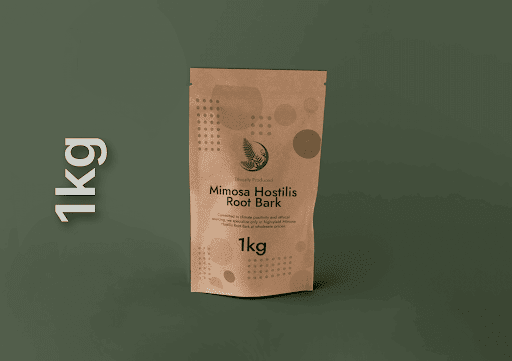
Mimosa hostilis root bark, widely known for its deep cultural history and diverse botanical uses, has become an increasingly discussed material among herbal enthusiasts, natural dye artists, traditional practice researchers, and academic communities. As interest grows, many people look for reliable information on how to Buy 1kg of MHRB in the USA, what the material is, how it is traditionally used, and what legal and ethical considerations come with it. This article provides a detailed, well-rounded overview while promoting safe, responsible, and lawful practices.
Understanding Mimosa Hostilis Root Bark (MHRB)
What Is MHRB?
Mimosa hostilis, also known by its botanical name Mimosa tenuiflora, is a resilient tree native to regions of Brazil, Mexico, and Central America. Its root bark has been valued for centuries in indigenous cultures. Historically, it has been used for:
- Traditional herbal preparations
- Natural textile dyes
- Cultural ceremonies
- Soil restoration studies
- Cosmetic and skincare products
The Tenuiflora bark is rich in tannins, natural pigments, and various plant compounds that make it particularly interesting to researchers and natural product artisans.
Why the Root Bark Is Sought After
The outer and inner layers of the bark contain vibrant natural pigments, primarily deep purples and reds when used as a dye. Some communities also use the powdered bark in traditional practices, where it has a long ethnobotanical history.
Is It Legal to Buy 1kg of MHRB in the USA?
Understanding the Legal Landscape
The legality of MHRB in the United States revolves around its intended use. The plant material itself is not scheduled at the federal level. However, extracting or preparing the bark for illicit purposes is illegal. For this reason, reputable sellers only supply the product for lawful uses such as:
- Natural dyeing
- Botanical research
- Craft and artisan work
- Educational study
- Skincare formulation
When planning to Buy 1kg of MHRB in the USA, it is essential to understand your state regulations, adhere to federal law, and ensure your intended use is fully compliant.
Ethical and Sustainable Sourcing
Another important concern is sustainability. The popularity of MHRB has increased harvesting pressure on natural populations. Ethical buyers look for vendors who:
- Use sustainable harvesting practices
- Work with local communities
- Replant and restore natural populations
- Provide transparency about origins
Supporting responsible sourcing helps protect Mimosa tenuiflora ecosystems.
Forms of MHRB Available in the USA
When purchasing MHRB, especially in quantities like 1 kilogram, it typically comes in one of the following forms:
1. Shredded Root Bark
- Most common form
- Useful for natural dye extractions
- Easy to store and measure
- Maintains fibrous structure
2. Powdered Root Bark
- More refined
- Ideal for cosmetic and skincare formulations
- Convenient for research and laboratory study
- Requires careful handling due to fine particles
3. Whole Chunks
- Less common
- Preferred for traditional botanical study
- Often chosen by researchers who need unprocessed materials
Understanding which form suits your lawful purpose is an important step before making a purchase.
How to Choose a Reliable Vendor in the USA
When planning to Buy 1kg of MHRB in the USA, selecting a trustworthy seller is crucial. Because the material is niche and sometimes misunderstood, not all vendors supply high-quality or ethically sourced bark. Consider the following criteria:
1. Transparency
Quality suppliers explain where the Tenuiflora bark comes from, how it was harvested, and how it is processed. You should be able to learn:
- Country of origin
- Harvesting practices
- Preparation methods
2. Purity and Quality Indicators
High-quality bark usually has:
- A deep purple or reddish-brown color
- A pleasant, earthy aroma
- Fibrous consistency
- Minimal dust if shredded
- No signs of mold or contaminants
3. Customer Feedback
Reputable vendors often have strong feedback among communities involved in:
- Natural dyeing
- Botanical study
- Craftwork
- Ethnobotanical research
Read reviews from buyers with lawful intentions similar to your own.
4. Ethical Policies
Look for vendors who respect:
- Fair trade practices
- Sustainable harvesting
- Community-based partnerships
- Proper export documentation
This ensures what you buy supports ecological and cultural integrity.
Common Uses for 1kg of MHRB
Many buyers select the 1-kilogram quantity because it is ideal for both small-scale projects and extended experimentation. Here are lawful, common uses:
1. Natural Dyeing
MHRB is prized for producing:
- Deep purples
- Reddish-brown hues
- Earthy tones
In textile arts, it is used to dye wool, cotton, and silk.
2. Botanical and Ethnobotanical Research
Universities, researchers, and educators use Mimosa tenuiflora for:
- Plant compound analysis
- Soil regeneration studies
- Ethnobotanical documentation
- Cultural history education
3. Skincare and Cosmetic Formulation
Its natural compounds make the bark a traditional ingredient in:
- Soothing ointments
- Herbal balms
- Natural soaps
- Anti-aging formulations
4. Cultural and Historical Study
The bark has been central to many indigenous traditions. Scholars often rely on authentic MHRB samples to preserve cultural knowledge and document traditional practices.
Important Safety Considerations
Handling Precautions
- Wear gloves when handling powdered bark
- Avoid inhaling fine particles
- Store in a cool, dry place
- Keep away from pets and children
Legal Considerations
Purchasing, possessing, and using the bark for legal, ethical purposes is crucial. Any attempt to process or extract illegal substances is against federal law and strongly discouraged.
Final Thoughts
Choosing to Buy 1kg of MHRB in the USA requires awareness, responsibility, and a clear understanding of your intended use. Whether you are an artisan, researcher, natural dye enthusiast, or someone studying ethnobotanical traditions, high-quality Tenuiflora bark can be a valuable material when sourced legally and ethically.
By focusing on sustainable suppliers, understanding the forms available, and respecting both legal and cultural boundaries, you can make informed decisions and support responsible trade. MHRB continues to be a remarkable plant material with rich historical roots, and when handled correctly, it offers a unique world of botanical possibilities.
About the Author