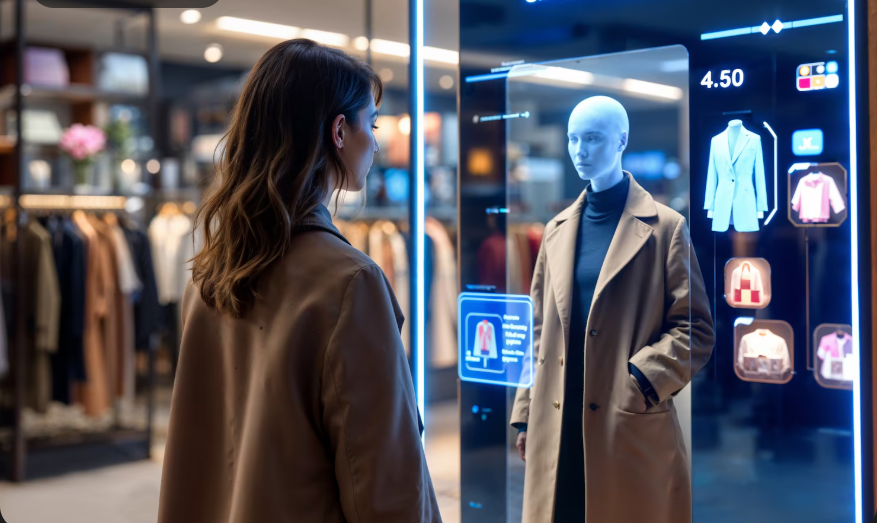
In today’s retail landscape, winning a customer once is no longer enough. The real challenge lies in keeping them engaged, satisfied, and loyal over the long term. With rising competition, shifting customer expectations, and increasingly digital buying habits, retailers must create seamless, personalized, and intelligent customer journeys across every touchpoint. This is where customer retention management software, empowered by artificial intelligence in retail industry, becomes more essential than ever.
Modern retention tools don’t just support engagement—they redefine how retailers understand customers, communicate with them, and deliver value at every step of the journey. Let’s explore why advanced customer retention solutions are becoming the backbone of smart retail strategies.
1. The Evolution of Customer Journeys in the Digital Era
Customer journeys have undergone massive transformation. Gone are the days when purchasing decisions were linear and predictable. Today’s shoppers move between websites, social platforms, mobile apps, and in-store experiences, often making decisions in seconds.
This has made journey mapping both complicated and crucial. Retailers need systems that:
- Track customer behavior across multiple channels
- Connect data points from every interaction
- Adapt messaging and offers in real time
- Predict what customers may need next
Advanced customer retention management software powered by artificial intelligence in retail industry helps retailers decode these complex journeys and deliver unified experiences that keep customers coming back.
2. Why Customer Retention Now Matters More Than Acquisition
While attracting new customers remains important, retaining existing ones is far more profitable. Studies show that:
- Retention is up to 5x cheaper than acquisition
- Loyal customers spend more and purchase more frequently
- Repeat shoppers drive consistent revenue growth
- Satisfied customers become brand advocates
However, retention can’t happen without a strategic approach. This is why investing in intelligent retention tools is no longer optional—it’s a necessity for sustainable retail success.
3. The Power of AI in Personalizing Customer Journeys
Personalization is no longer a bonus—it’s expected. Shoppers want brands to understand their preferences, anticipate their needs, and communicate with relevance. Achieving this manually is nearly impossible.
This is where artificial intelligence in retail industry makes a significant impact.
AI helps retailers personalize journeys by:
- Analyzing browsing behavior, preferences, and purchase patterns
- Predicting what customers are likely to buy next
- Delivering custom recommendations at the right time
- Creating personalized rewards, discounts, and loyalty messages
- Optimizing communication frequency and channel preference
With these capabilities embedded into customer retention management software, retailers can personalize journeys at scale—turning every interaction into a meaningful experience.
4. Predictive Analytics: Stay Ahead of Customer Needs
Predicting customer behavior is one of the most powerful aspects of AI. Predictive analytics helps retailers identify trends before they happen.
Using AI-powered retention systems, retailers can:
- Identify customers who may churn
- Spot declining engagement patterns early
- Trigger re-engagement campaigns at the right moment
- Forecast future buying behaviors
- Detect loyalty-building opportunities
This proactive approach improves customer satisfaction while significantly boosting retention rates.
5. Omni-Channel Engagement for Seamless Journeys
Customers now expect consistency across every platform—whether they’re browsing on Instagram, shopping on a website, chatting with support, or visiting a physical store.
Customer retention management software integrates all touchpoints into a single unified system, enabling retailers to deliver:
- Consistent messaging
- Unified loyalty experiences
- Real-time updates across platforms
- Integrated customer profiles
- Connected purchase history and communication logs
Combined with artificial intelligence in retail industry, these systems ensure customers feel recognized, valued, and understood, no matter where they interact with the brand.
6. Automation That Enhances Human-Like Engagement
Automation has become a key component of modern customer journeys, but it’s no longer just about sending emails—it’s about sending the right emails at the right time, with the right content.
AI-powered automation allows retailers to:
- Send automated welcome sequences
- Trigger cart recovery messages
- Deliver personalized product suggestions
- Share loyalty rewards instantly
- Send timely feedback or review requests
This helps retailers maintain active communication while reducing manual workload. The journey becomes smoother, more consistent, and more responsive.
7. Building Emotional Connections with Intelligent Insights
Customer loyalty is more than transactional—it’s emotional. Customers stay with brands they connect with, trust, and feel valued by.
AI-driven insights help retailers understand:
- Why customers shop
- What motivates them
- How they feel about the brand
- What influences their decisions
- When they feel most engaged
By integrating these insights into journey-building strategies, retailers can create experiences that resonate emotionally, leading to deeper loyalty and advocacy.
8. Maximizing Lifetime Value Through Strategic Retention
The ultimate goal of retention is boosting customer lifetime value (CLV). Higher CLV means customers spend more over time, reducing acquisition pressure.
Customer retention management software helps increase CLV by:
- Segmenting customers based on value potential
- Customizing experiences for high-value segments
- Identifying upsell and cross-sell opportunities
- Offering exclusive loyalty perks
- Enhancing brand stickiness through personalized rewards
When combined with artificial intelligence in retail industry, these strategies become even more precise and effective.
9. The Future of Customer Journeys: AI-Driven, Adaptive, and Predictive
The future of retail customer journeys will be built on three pillars:
AI-Driven Experiences
From personalized product pages to smart recommendations, AI will guide every interaction.
Adaptive Journeys
Customer pathways will shift based on real-time behaviors, moods, and interests.
Predictive Engagement
Brands will anticipate needs before customers express them.
Retailers who invest today in advanced AI-powered retention tools will lead this new era of intelligent, adaptive customer journeys.
Conclusion
As customer expectations continue to evolve, retailers must move beyond traditional loyalty methods. The combination of customer retention management software and artificial intelligence in retail industry enables brands to design smarter, more meaningful, and highly personalized customer journeys.
From predictive insights and automation to emotional intelligence and real-time engagement, AI-driven retention solutions empower retailers to deliver experiences that build trust, deepen loyalty, and strengthen long-term relationships. In a world where customer attention is limited and competition is intense, smarter customer journeys are the key to sustained retail success.
FAQs
1. Why is customer retention management software important for retailers?
It helps retailers understand customer behavior, automate engagement, personalize communication, and improve loyalty rates.
2. How does artificial intelligence enhance customer journeys?
AI analyzes large amounts of data to predict behavior, personalize experiences, and automate interactions, creating smarter and more relevant customer journeys.
3. Can AI help identify customers at risk of churning?
Yes. AI-based predictive analytics can detect early signs of churn and trigger re-engagement strategies automatically.
4. Is this software suitable for small and medium retail businesses?
Absolutely. Many solutions are scalable and offer customizable features tailored to businesses of all sizes.
5. How does customer retention software improve lifetime value?
By personalizing journeys, targeting high-value customers, automating interactions, and improving engagement, it increases both repeat purchases and overall customer value.
About the Author