Beekeeping has always been misunderstood. Some see it as a peaceful hobby, others imagine it as a risky activity filled with stings and chaos. The truth lies somewhere in between. Beekeeping is not dangerous by default—but it becomes dangerous when control is lost.
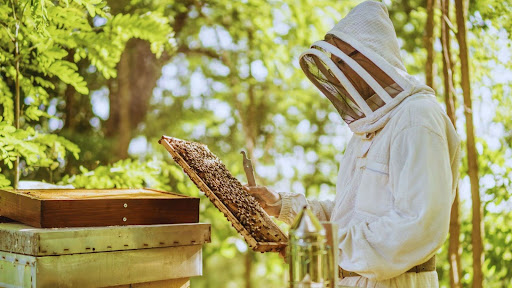
Most people assume a bee suit exists only to stop stings. While protection is its most visible purpose, its real value runs much deeper. A bee suit shapes how a beekeeper behaves, how calmly inspections are performed, and how colonies respond over time. In modern beekeeping, success is no longer about bravery—it is about consistency, awareness, and calm execution.
The Real Risk in Beekeeping Is Human Reaction
Bees do not attack randomly. They react. And what they react to most strongly is human behavior.
When a beekeeper feels exposed or uncomfortable, the body enters a stress response. Hands move faster. Movements become sharp. Frames are handled less carefully. Bees sense this immediately. Alarm pheromones are released, and what could have been a routine inspection quickly escalates.
This is why experienced beekeepers say that the bee suit protects the beekeeper’s mindset before it protects the body.
A well-designed suit removes the fear of being stung, allowing the beekeeper to slow down, breathe normally, and focus on reading the hive instead of anticipating pain.
A Bee Suit Is Psychological Safety, Not Just Physical Protection
The biggest difference between new and experienced beekeepers is not skill—it is calmness.
Calm beekeepers:
- Move deliberately
- Handle frames gently
- Complete inspections properly
Panic-driven beekeepers rush. Rushing creates mistakes. Mistakes create defensive colonies.
This is where a proper protective bee suit plays its most important role. It allows the beekeeper to remain mentally present inside the hive. Over time, this calm interaction becomes predictable to the colony, reducing stress and improving overall hive temperament.
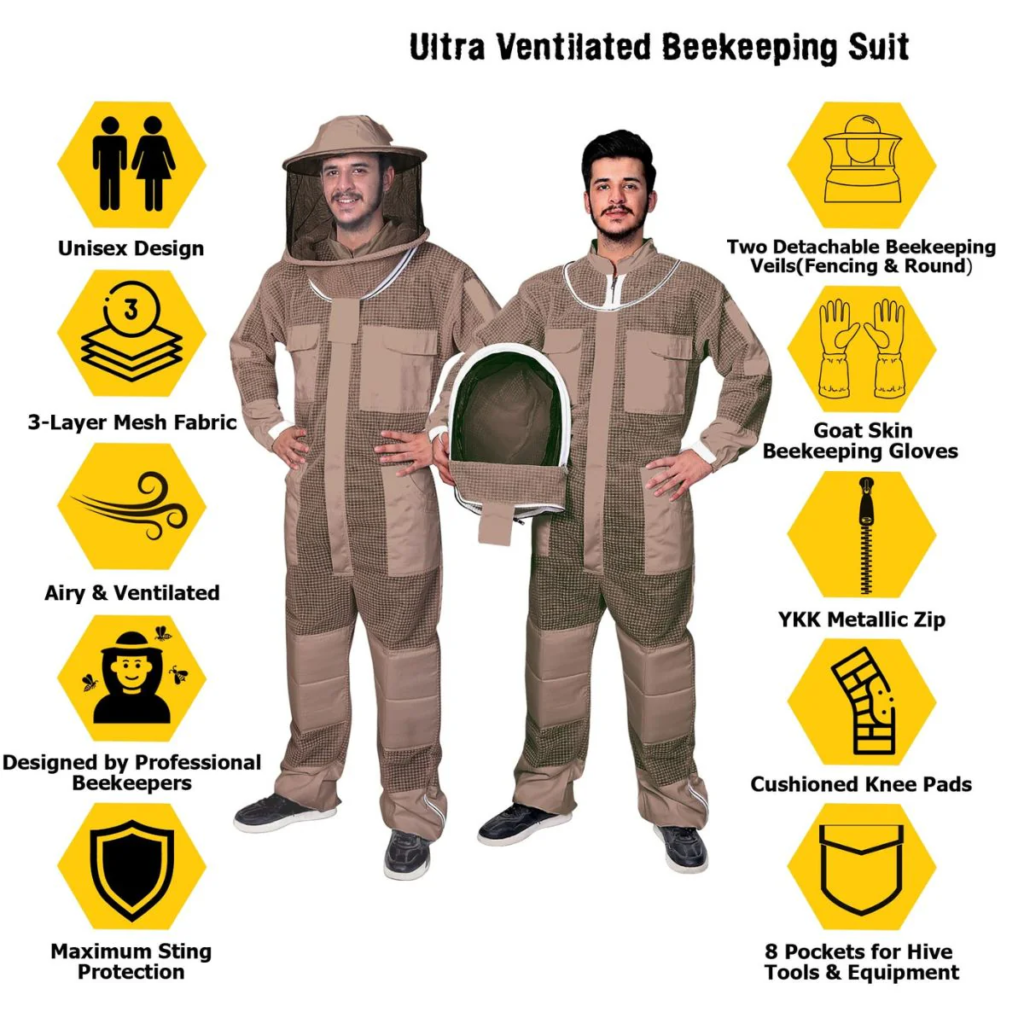
Shop Now: Ultrabreeze Bee Suit – Ultra Ventilated Bee Suit
Why the Same Suit Has So Many Names
You will often hear different terms used interchangeably: bee suit, beekeeper suit, bee keeping suit, or even variations like bees suit and bees suits. These differences are not confusion—they reflect how deeply this gear is integrated into real-world beekeeping.
A hobbyist might simply look for a basic suit for occasional inspections. A professional beekeeper, however, views their bee keeper suit as essential working equipment—something as important as tools or smokers. Regardless of the wording, the intent remains the same: reliable protection that allows safe, repeatable hive work.
How Protection Changes Colony Behavior Over Time
Bees are extremely sensitive to vibration and movement. They do not understand intention, but they respond instantly to physical cues.
When inspections are rushed or aggressive:
- Alarm pheromones spread quickly
- Defensive behavior becomes habitual
- Colonies grow harder to manage over time
When inspections are calm and consistent, colonies adapt. This does not mean bees become passive, but they become less reactive to routine management. A comfortable bee suit makes this consistency possible by reducing fatigue and mental stress for the beekeeper.
Full Coverage vs. Task-Based Protection
Not every beekeeping task requires the same level of protection. This is why different styles exist.
A full bee suit or full body bee suit is essential when:
- Colonies are unfamiliar or strong
- Inspections are long
- Environmental conditions increase aggression
For routine management, some beekeepers rely on lighter options that prioritize comfort and mobility. A well-chosen bee hive suit supports repeated inspections without causing overheating or restriction, allowing the beekeeper to return to the hive day after day with the same calm approach.
Honey Harvesting and the Need for Endurance
A honey bee suit is designed for repetition. Honey harvesting and brood inspections often require extended time inside the apiary. When protection is uncomfortable, beekeepers subconsciously rush. Rushed work leads to missed signs of disease, queen issues, or stress within the colony.
A suit that supports endurance allows the beekeeper to work at the hive’s pace rather than fighting physical discomfort.
Adaptability Matters More Than Thickness
Many beginners assume that thicker fabric equals better protection. In reality, protection is about balance.
A good suit for bees must perform under changing conditions:
- Heat and humidity
- Seasonal aggression
- Population surges
Overly heavy suits can cause overheating, leading to dehydration and poor decision-making. Modern bee suits focus on structure, airflow, and spacing to maintain protection without exhausting the wearer.
When Bee Suits Fail, It’s Usually the Equipment
Most sting incidents blamed on “aggressive bees” are caused by equipment issues:
- Poor sealing at wrists or ankles
- Fabric sitting too close to skin
- Worn seams or zippers
- Heat stress forcing rushed inspections
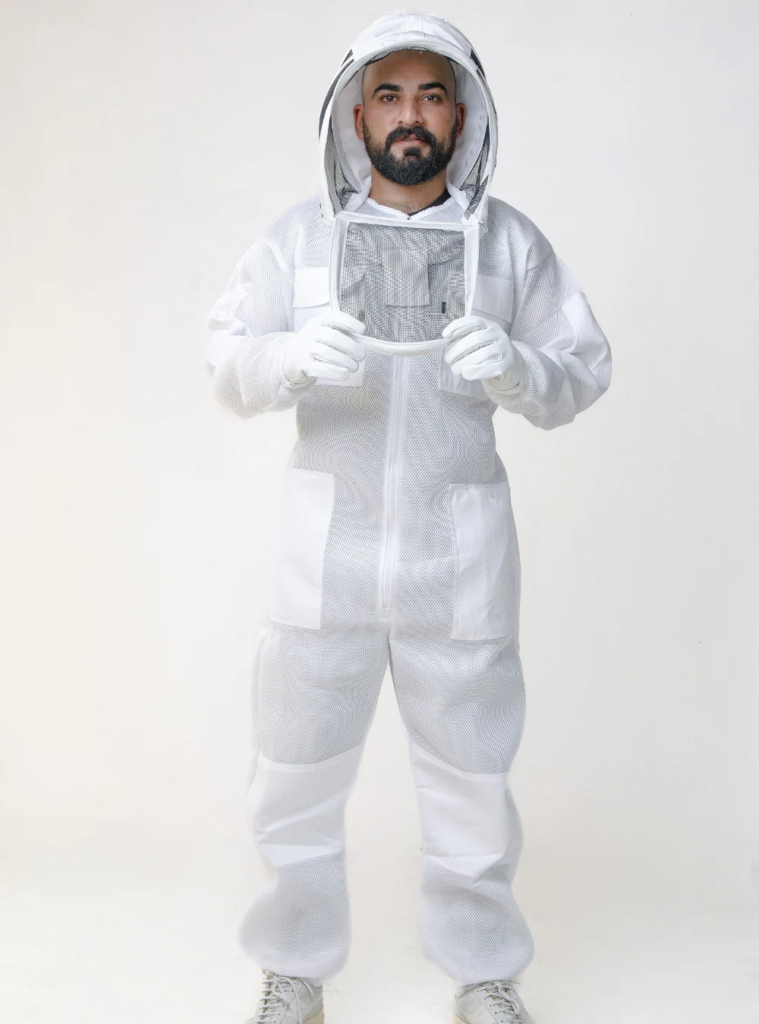
A compromised bee protection suit does not just increase sting risk—it reduces the beekeeper’s ability to think clearly. This is why professionals regularly inspect and maintain their gear.
Why Experienced Beekeepers Own More Than One Suit
Serious beekeepers rarely rely on a single setup. Many keep:
- A lighter suit for routine inspections
- A heavier bee keepers suit for defensive colonies
- A backup bee keeping suit for emergencies
This layered approach mirrors safety practices in other skilled professions. Redundancy reduces risk.
Where Quality Makes a Real Difference
Not all suits are created with real beekeeping conditions in mind. High-quality options focus on long-term usability rather than short-term appeal. One example is bebees, which is designed with comfort, durability, and real apiary work in mind—supporting calm inspections without compromising protection.
Maintenance Is Part of Protection
Even the best suit loses effectiveness without proper care. Alarm pheromones cling to fabric and can trigger defensive behavior during future inspections.
Regular washing, seam checks, and proper storage extend the life of the suit and help maintain calmer hive responses over time.
A Shift in Beekeeping Culture
Older beekeeping culture sometimes treated minimal protection as a badge of honor. Modern beekeeping has moved away from that mindset. Today, professionalism is defined by preparation, consistency, and sustainability—not unnecessary risk.
A reliable bee protective suit supports:
- Safer learning environments
- Ethical hive management
- Long-term beekeeper health
Beekeeping is now understood as a skilled discipline, not a test of courage.
Final Thoughts
A bee suit is far more than protective clothing. It is a tool that stabilizes human behavior, supports calm hive interaction, and enables long-term success in beekeeping.
Whether used for routine inspections, honey harvesting, or managing challenging colonies, the right suit allows the beekeeper to remain calm, focused, and in control. And in beekeeping, control—not bravery—is what keeps both bees and humans safe.
About the Author