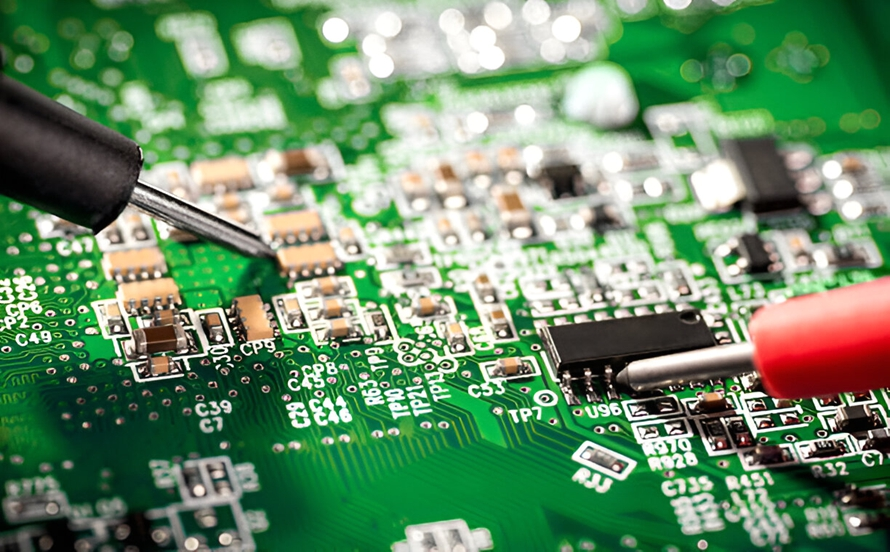
A backplane PCB is a specialized printed circuit board designed to connect multiple circuit boards within a system, allowing them to communicate with each other through high-speed signal pathways. Unlike standard PCBs that host active electronic components, a backplane PCB primarily serves as an interconnection platform, providing electrical and mechanical support for plug-in cards or modules.
Backplane PCBs are widely used in complex electronic systems where modularity, scalability, and high data transfer rates are essential. As modern systems demand faster communication and greater reliability, backplane PCB technology has become a cornerstone of advanced electronic design.
Core Structure and Design of a Backplane PCB
The structure of a backplane PCB is typically multilayered, with a high number of signal, power, and ground layers. These layers are carefully arranged to support controlled impedance, minimize crosstalk, and ensure stable signal transmission across the board.
Backplane PCBs often use thicker substrates and heavier copper to improve mechanical strength and current-carrying capacity. Connectors are mounted on the board to allow daughter cards or line cards to be inserted, creating a flexible and expandable system architecture.
Types of Backplane PCBs
Backplane PCBs can be broadly categorized based on their design approach. Passive backplane PCBs contain no active components and simply route signals between connected boards. This design offers high reliability and ease of maintenance.
Active backplane PCBs incorporate active components such as signal buffers or repeaters to enhance signal integrity over longer distances. Hybrid backplane PCBs combine both passive routing and limited active functionality, offering a balance between performance and complexity.
The choice of backplane PCB type depends on system requirements such as data speed, signal distance, and overall system complexity.
Importance of Backplane PCBs in High-Speed Systems
High-speed electronic systems rely on backplane PCBs to maintain consistent and reliable signal transmission. At high data rates, even small impedance mismatches or signal reflections can cause performance issues.
Backplane PCBs are engineered with precise impedance control, advanced materials, and optimized layer stack-ups to support high-speed protocols. This makes them essential in systems where multiple boards must exchange data efficiently without signal degradation.
Materials Used in Backplane PCBs
Material selection plays a critical role in backplane PCB performance. High-speed backplanes often use low-loss materials such as advanced FR4 variants, PTFE-based laminates, or hydrocarbon ceramic composites.
These materials offer stable dielectric properties, reduced signal loss, and improved thermal performance. Copper quality and surface finish are also carefully selected to support high-frequency signal transmission and reliable connector performance.
Using the right materials ensures long-term stability and consistent performance in demanding applications.
Key Advantages of Backplane PCB Technology
One of the main advantages of a backplane PCB is modular system design. Engineers can easily upgrade or replace individual modules without redesigning the entire system, reducing maintenance costs and downtime.
Backplane PCBs also offer high reliability due to their robust construction and minimal use of active components. Their ability to support high-speed data transfer, high power distribution, and dense interconnections makes them ideal for mission-critical systems.
Additionally, backplane PCBs improve system organization by reducing cable clutter and simplifying internal connections.
Common Applications of Backplane PCBs
Backplane PCBs are widely used in telecommunications equipment such as routers, switches, and base stations, where high data throughput and scalability are required. They form the backbone of many networking systems.
In data centers and servers, backplane PCBs enable high-speed communication between processing modules, storage devices, and power systems. Industrial automation equipment, test and measurement systems, and aerospace electronics also rely on backplane PCBs for reliable interconnection.
Medical imaging systems and defense electronics benefit from the stability and modularity offered by backplane PCB designs.
Backplane PCB vs Standard PCB
The primary difference between a backplane PCB and a standard PCB lies in function and complexity. Standard PCBs typically host active components and perform specific circuit functions, while backplane PCBs focus on interconnection and signal routing.
Backplane PCBs usually have more layers, stricter impedance requirements, and higher mechanical strength. While they are more complex and costly to manufacture, their performance and reliability advantages make them indispensable for advanced electronic systems.
Design Considerations for Backplane PCBs
Designing a backplane PCB requires careful planning of layer stack-up, impedance control, and connector placement. Signal integrity analysis is critical to prevent issues such as crosstalk, reflections, and attenuation.
Power distribution and grounding must also be carefully designed to support multiple connected boards. Thermal management is another important consideration, especially in high-density systems where heat buildup can affect performance.
Early collaboration with an experienced manufacturer helps ensure that design goals align with manufacturing capabilities.
Manufacturing Challenges and Quality Control
Backplane PCB manufacturing involves complex processes such as multilayer lamination, precision drilling, and advanced testing. Tight tolerances are required to maintain consistent impedance and connector alignment.
Quality control measures include electrical testing, impedance verification, and mechanical inspection. Due to the critical role backplane PCBs play in system performance, even minor defects can have significant consequences.
Choosing a manufacturer with advanced production equipment and strict quality assurance processes is essential.
How to Choose the Right Backplane PCB Manufacturer
Selecting the right backplane PCB manufacturer is crucial for achieving reliable and consistent results. A capable manufacturer should have extensive experience in high-layer-count PCB fabrication and high-speed signal applications.
Look for manufacturers that offer engineering support, material expertise, and comprehensive testing capabilities. A strong track record in producing backplane PCBs for telecommunications, data centers, or industrial systems is a key indicator of reliability.
A professional manufacturing partner can help optimize your design, reduce production risks, and ensure long-term performance.
Final Thoughts
Backplane PCBs are the foundation of high-performance electronic systems that demand scalability, reliability, and high-speed communication. Their advanced design, material selection, and manufacturing precision enable complex systems to function seamlessly.
If your project requires robust interconnection and dependable performance, working with an experienced backplane pcb manufacturer is essential. The right manufacturing partner will help transform your design into a high-quality, production-ready backplane PCB that meets the strict demands of modern electronic systems.
About the Author