Before any electronic component is mounted, soldered, or assembled, every device begins with a bare circuit board. Whether it is a simple consumer gadget or a complex industrial control system, the quality of the bare board directly determines the reliability, durability, and performance of the final product.
For companies developing electronic products, selecting the right bare circuit board manufacturer is a critical decision. The manufacturing precision, material quality, and inspection standards applied at the bare board stage can significantly impact the success of the entire PCB assembly process.
In this article, we will explore what a bare circuit board is, how it is manufactured, its types, applications, and how to choose a trusted manufacturing partner.
What Is a Bare Circuit Board?
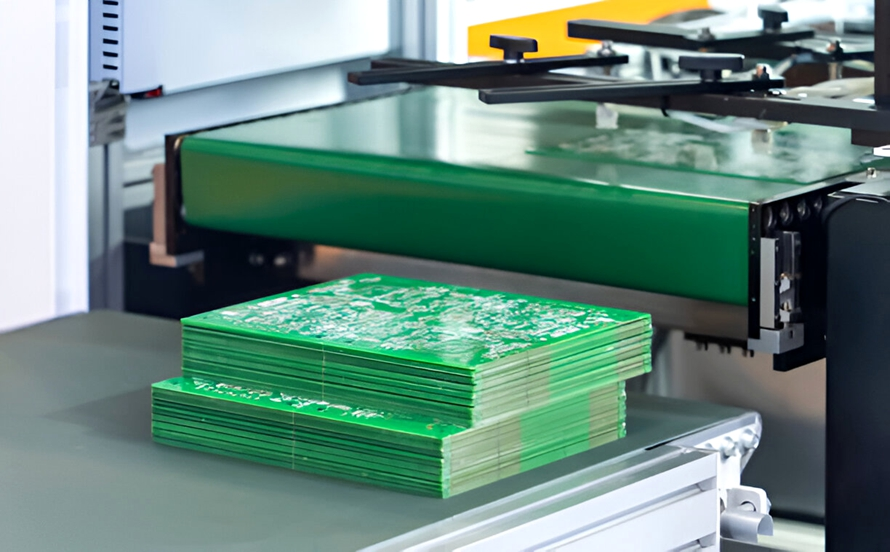
A bare circuit board refers to a printed circuit board (PCB) that has completed fabrication but does not yet have electronic components mounted on it. It consists of conductive copper traces, insulating substrate material, drilled holes, and surface finishes—but no resistors, capacitors, ICs, or connectors.
In simple terms, it is the “skeleton” of an electronic device. It provides the physical platform and electrical pathways that connect components once assembly is completed.
Bare boards can be single-layer, double-layer, or multilayer, depending on the complexity of the circuit design.
Structure of a Bare Circuit Board
A typical bare circuit board is made of several key elements.
The base material is usually a fiberglass-reinforced epoxy laminate such as FR-4, although high-performance materials may be used for specialized applications. On top of the substrate lies a thin layer of copper foil, which is etched to form the required circuit pattern.
Holes are drilled into the board to accommodate through-hole components or vias that connect different layers. These holes are plated with copper to ensure electrical conductivity.
The board is then coated with a solder mask to protect copper traces from oxidation and short circuits. Finally, a surface finish such as HASL, ENIG, or OSP is applied to ensure good solderability during assembly.
At this stage, the board is complete as a bare circuit board and ready for component placement.
Manufacturing Process of a Bare Circuit Board
The production of a bare circuit board involves several precise steps.
It begins with PCB design files provided by the customer. These files define the copper layout, drill locations, and layer stack-up.
Next, copper-clad laminate panels are prepared. A photoresist layer is applied, and UV light exposure transfers the circuit pattern onto the copper surface. The unwanted copper is chemically etched away, leaving only the required traces.
Drilling follows, using CNC machines to create precise holes for vias and component leads. The holes are then plated with copper through an electroplating process.
After plating, a solder mask is applied to protect the board. Silkscreen printing adds component labels and identification marks. Finally, surface finishing is applied to enhance solderability and prevent oxidation.
Electrical testing and visual inspection ensure the board meets design specifications before shipment.
A reliable bare circuit board manufacturer will implement strict quality control at every stage to ensure accuracy and consistency.
Types of Bare Circuit Boards
There are several types of bare circuit boards depending on design complexity and application.
Single-layer boards contain one conductive copper layer and are commonly used in simple electronic devices.
Double-layer boards have copper on both sides, allowing more complex routing and higher component density.
Multilayer boards contain three or more copper layers laminated together. These are used in advanced electronics such as telecommunications equipment and industrial control systems.
Rigid boards are the most common type, while flexible and rigid-flex bare boards are used in applications requiring bending or compact integration.
The choice of board type depends on the product’s electrical and mechanical requirements.
Applications of Bare Circuit Boards
Bare circuit boards are used across virtually every industry involving electronics.
In consumer electronics, they serve as the foundation for smartphones, laptops, televisions, and home appliances.
Industrial equipment relies on bare boards for control systems, automation panels, and power supplies.
In automotive applications, bare circuit boards are used in engine control units, infotainment systems, and safety modules.
Medical devices, including diagnostic equipment and portable monitors, require high-quality bare boards to ensure reliability and patient safety.
Aerospace and defense industries demand precision-manufactured bare boards capable of withstanding extreme environmental conditions.
Regardless of the application, the quality of the bare board plays a crucial role in overall system performance.
Importance of Choosing the Right Bare Circuit Board Manufacturer
Selecting a professional bare circuit board manufacturer ensures consistent product quality and long-term reliability.
Manufacturing precision is essential. Even minor deviations in trace width, hole size, or layer alignment can lead to electrical failures.
Material sourcing is another important factor. High-quality laminate materials improve thermal stability and mechanical strength.
Advanced inspection equipment such as automated optical inspection (AOI), flying probe testing, and X-ray analysis ensures defects are detected before delivery.
Additionally, an experienced manufacturer provides engineering support to optimize design for manufacturability (DFM), reducing production errors and costs.
Scalability is also important. Whether you require prototypes or high-volume production, your manufacturer should handle your project efficiently.
Quality Standards and Certifications
A reputable bare circuit board manufacturer should comply with international standards such as IPC and ISO certifications.
IPC standards define requirements for PCB fabrication quality, including trace accuracy, hole plating thickness, and reliability testing.
ISO certification demonstrates a structured quality management system that ensures consistent production processes.
For industries such as automotive, medical, or aerospace, additional certifications may be required to meet regulatory standards.
These certifications provide confidence that the bare boards will perform reliably in their intended applications.
Cost Considerations and Long-Term Value
While cost is always a factor in manufacturing decisions, choosing the lowest-priced supplier may result in quality compromises.
Defective bare circuit boards can lead to assembly failures, product recalls, and damage to brand reputation. Investing in a trusted bare circuit board manufacturer helps prevent such risks.
High-quality boards reduce rework, improve assembly efficiency, and extend product lifespan. In the long term, this translates to lower overall costs and higher customer satisfaction.
Balancing price with quality and reliability is essential for sustainable product development.
Conclusion
A bare circuit board is the essential starting point of every electronic device. Its quality directly influences the performance, reliability, and longevity of the final product.
From material selection and precision etching to drilling and surface finishing, every step in the fabrication process must be carefully controlled. That is why choosing a professional bare circuit board manufacturer is crucial for ensuring consistent results.
If your business depends on reliable electronics, partnering with an experienced manufacturer will provide the foundation needed for successful PCB assembly and long-term product performance. Investing in high-quality bare boards today ensures stronger, more dependable electronic systems tomorrow.
About the Author